


The Ultimate Guide to Building a Pole Barn That Protects Your Legacy
January 14, 2026
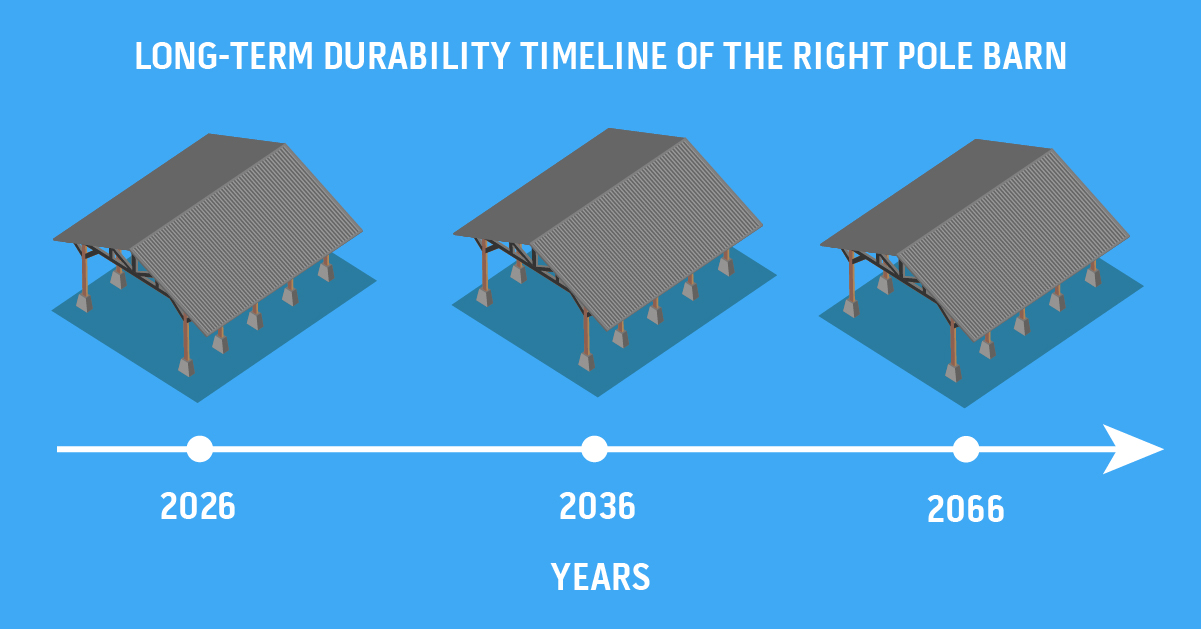
Why Legacy Matters More Than Ever
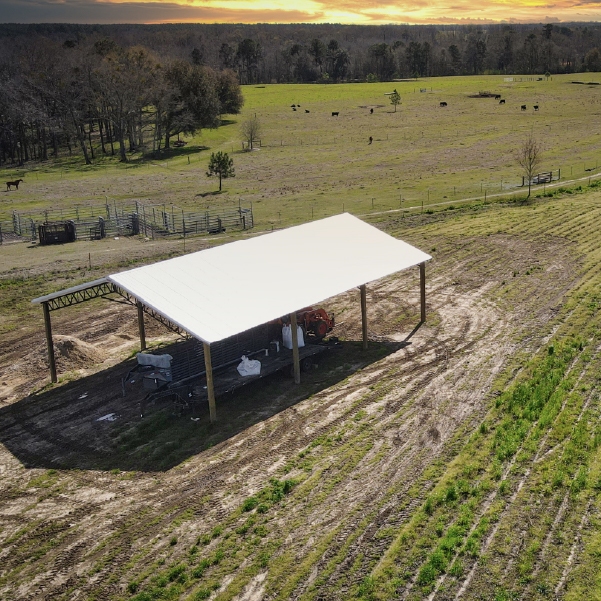
When you build a pole barn, you're not just building a structure; you're investing in something that will last for generations. Whether it's a place to store equipment, house animals, or work on projects, your barn represents stability, strength, and security. That’s why making the right choices upfront is key to long-term peace of mind. We’re here to help walk you through the entire construction process with your legacy in mind, from foundational layout to weatherproofing, airflow, and insulation. We’ll help you understand how craftsmanship, materials, and smart design come together to create a pole barn that stands the test of time.Choosing Smart Construction Methods for Long-Term Durability
A pole barn’s durability depends on more than just the strength of its poles or the thickness of its walls. Every part of the building, from the roof to the foundation, plays a role in its long-term performance.The Importance of Structural Strength and Spacing
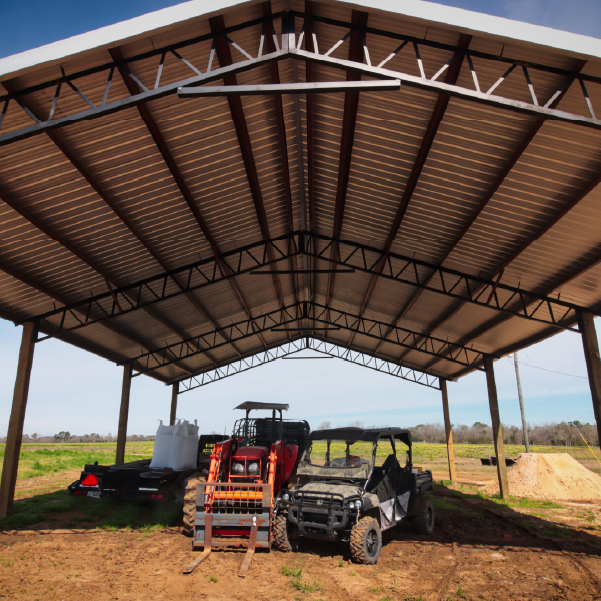
Proper column and beam spacing gives your building the stability it needs to handle shifting ground, changing loads, and exposure to the elements. Columns should be set deep enough to anchor your frame securely, with concrete bases that prevent moisture wicking and decay.Materials That Withstand Time and Climate
Using high-quality wood and steel components is essential. Corrosion-resistant screws, engineered trusses, and treated lumber offer both strength and longevity. Avoid cutting corners with cheap materials that can warp, crack, or deteriorate under pressure from heat, cold, or moisture.Protecting What’s Inside: Your Roof, Walls, and Weatherproofing Strategy
 A well-built exterior keeps out the elements and keeps your valuables safe inside. Roof panels, and then wall sheathing and insulation that are added later, work together to maintain structural integrity and environmental control.
Roof and Wall Systems That Hold Up in Harsh Conditions
Choose roofing and wall systems designed for performance — not just aesthetics. Steel roofing panels with built-in ridges improve airflow and drainage. If you choose to add reinforced wall systems with proper flashing, this can help reduce the risk of moisture damage and decay. Ventilation systems, especially near the roof ridge and eaves, help regulate airflow and minimize heat buildup in summer.Insulation and Moisture Control
Effective insulation isn’t just about temperature; it’s about controlling humidity and preventing corrosion. Closed-cell foam, vapor barriers, and proper panel overlap methods help protect your building's interior from damage, mold, and rust.Functional Design Meets Future Flexibility
Pole barns can be as simple or sophisticated as you need. Layout, floor plan, and access are essential decisions that shape how your building serves you today and how it can evolve.Planning for Farm Equipment, Vehicles, and Livestock
Think about everything you’ll store, house, or work on inside your barn. Will there be space for livestock stalls? Enough room for large vehicles or tractors? What about workshop space, interior walls, or overhead storage? A smart layout builds a pole barn with room to grow while staying budget-conscious.Access, Upgrades, and Maintenance
Consider adding wide access doors, clear vehicle paths, and overhead clearance for tall implements. Don’t forget about future upgrades, from adding solar panels to converting part of the barn into a living or work space. A little foresight now can save thousands in modifications later.Craftsmanship, Character, and Curb Appeal
A pole barn doesn’t have to be boring. Even a simple agricultural building can show off strong design and style. Choose finishes that reflect your environment and heritage. Whether it’s bold steel colors, natural wood tones, or matching your home’s aesthetic, your barn should blend with your land while standing out for its quality. Custom touches can improve functionality and protect your barn’s structure from heat, wind, and rain. When built with pride, your barn becomes a symbol of craftsmanship and resilience.Building for Generations: ROI, Maintenance, and Long-Term Performance
Your barn is more than a shed; it’s an investment in your future and your family’s peace of mind.Budget Wisely Without Sacrificing Quality
While it’s tempting to cut costs, remember: a poorly built structure will cost more in repairs, maintenance, and replacements down the road. Focus your budget on structural integrity, environmental protection, and ease of maintenance; this is where real ROI is found.Maintenance that Preserves Value
Plan for annual upkeep: check panels and fasteners, inspect the foundation for water pooling, and monitor insulation performance. Small actions prevent decay and protect your building from the inside out.Ready to Build What Lasts?
Every great pole barn starts with a conversation. Whether you're still exploring ideas or you're ready to break ground, our team is here to help you make confident, informed decisions. Speak with one of our pole barn experts today, and let’s start building something that protects your legacy for years to come.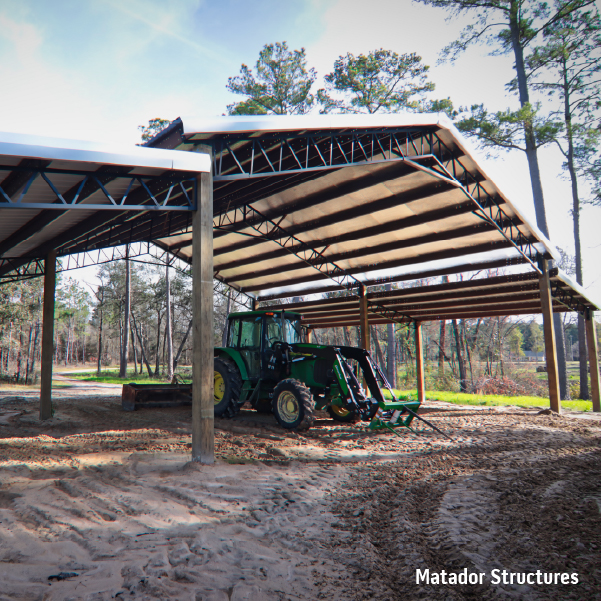
Frequently Asked Questions About Building a Pole Barn
How do I design a long-lasting pole barn?
Designing a long-lasting pole barn begins with selecting high-quality, pressure-treated lumber for the poles and framing to resist rot and insect damage over time. Incorporate durable roofing materials and design the roof with an appropriate pitch to facilitate water runoff and snow shedding.How can I ensure my pole barn withstands extreme weather?
To ensure your pole barn withstands extreme weather, start by selecting high-quality, pressure-treated lumber and galvanized steel components that resist rot, corrosion, and pests. Incorporate a deep foundation with concrete footings set below the frost line to prevent shifting during freeze-thaw cycles. Opt for a metal roof with a steep pitch and secure fasteners to efficiently shed heavy rain, snow, and ice buildup.How much does it cost to build a durable pole barn?
The cost to build a durable pole barn in 2026 typically ranges between $25 and $45 per square foot, depending on factors such as size, materials, location, and customization. For a standard 30x40-foot pole barn, you can expect to invest approximately $30,000 to $54,000 for a structure built to last for decades. Opting for high-quality treated lumber, galvanized steel roofing, and reinforced concrete footings significantly enhances durability but may slightly increase costs. Additionally, incorporating features like insulated walls, advanced ventilation systems, and weather-resistant finishes will protect your investment and legacy.How can I maintain a pole barn over the long term?
Maintaining a pole barn over decades requires a proactive approach that combines regular inspections, timely repairs, and preventive care. Start by routinely checking the structural integrity of the poles and beams for signs of rot, insect damage, or warping. Then, address any issues immediately to prevent further deterioration. Ensure the roof is kept clear of debris, and promptly repair any leaks or damaged shingles to protect the interior from moisture. Apply weather-resistant sealants and paint every few years to shield the wood from harsh elements. If it has a foundation, it’s important to maintain proper drainage and prevent water pooling, which can cause foundation damage.How do I prevent pests from damaging my pole barn?
To prevent pests from damaging your pole barn, start by ensuring a solid foundation with proper drainage to keep moisture—and the pests it attracts—at bay. Use treated lumber and pest-resistant materials during construction to deter termites and wood-boring insects. Seal all gaps, vents, and openings with durable mesh or metal flashing to block rodents and birds from entering. Regularly inspect and maintain the exterior, and trim nearby vegetation that can attract pests. Additionally, consider installing pest-control barriers, like gravel or concrete skirts around the base of the pole barn, and schedule routine professional pest inspections to catch any infestations early, before they cause significant damage.How large should the pole barn be for legacy storage?
When determining the ideal size for a pole barn intended for legacy storage, it’s essential to consider both current and future needs to ensure ample space to preserve valuable items, equipment, and memorabilia. A practical starting point is 1,200 to 1,500 square feet, which typically accommodates standard storage requirements for vehicles, tools, and equipment. However, many experts recommend sizing the barn between 2,000 and 3,000 square feet if you anticipate expanding your collection or incorporating workspaces and climate-controlled areas to protect sensitive materials. Additionally, factoring in ceiling height (ideally 12 to 14 feet) allows for vertical storage solutions like lofts or shelving systems that maximize capacity without increasing the footprint.How do local regulations affect building a strong pole barn?
Local regulations play a crucial role in building a strong pole barn by setting the standards for structural integrity, safety, and environmental compliance. These regulations typically dictate the required materials, foundation specifications, wind and snow load capacities, and setback distances from property lines to ensure the barn can withstand local weather conditions and natural forces. Additionally, obtaining the required permits and complying with zoning laws helps prevent legal issues that could compromise the longevity of the structure. By following these guidelines, builders not only create a durable pole barn but also protect their investment and legacy from future disputes or damages.



Customized Blast-Resistant Buildings

Lease-Ready Blast-Resistant Buildings

Portable Storage and Modular On-Site Offices

Hardened Structures for Defense & Security

Residential and Commercial Storm Shelters

Heavily Engineered, Industrial Quality Metal Pole Barns

Offshore Modular Solutions and Portable Technical Buildings