

Multi-Use Pole Barn Designs That Grow With Your Family Or Farm
December 18, 2025
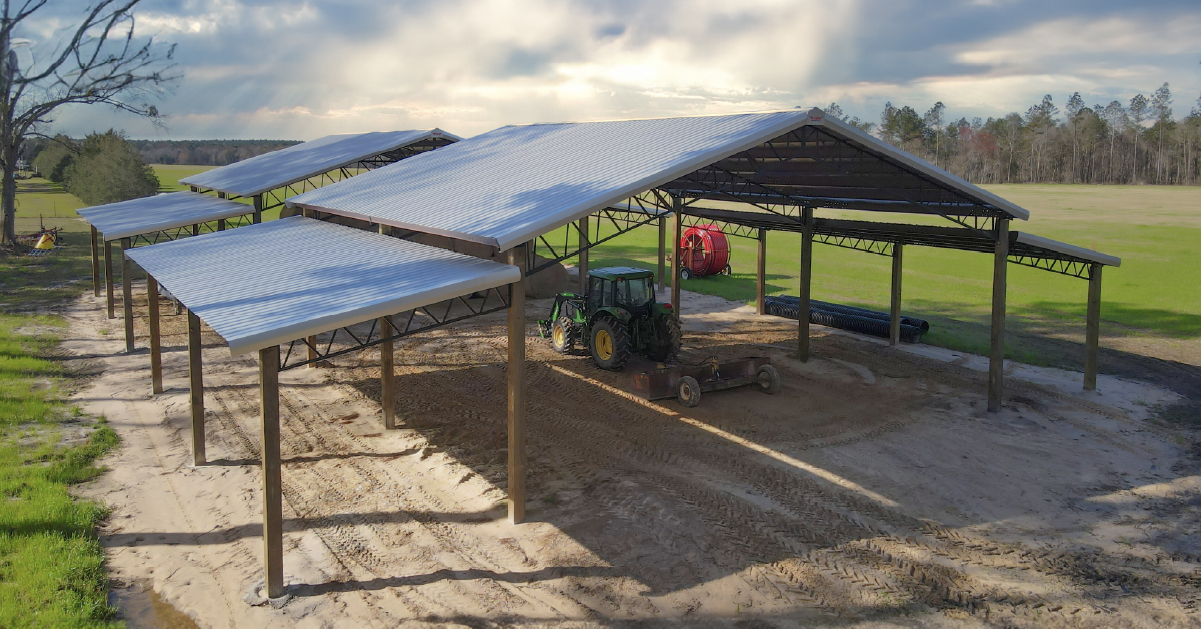
Most families and farms don’t need a single-purpose building. They need space that adapts to changing seasons, equipment, or priorities. A well-designed pole barn gives you that flexibility, but only if the shell is planned correctly from the start.
What Makes A Pole Barn Truly Multipurpose?
A truly multipurpose pole barn combines clear-span framing, zoned floor areas, and preplanned utilities. These design features allow the interior to change uses without structural work. That combination lets one shell store an RV in spring, host a birthday in summer, handle harvest storage in fall, and run a warm shop in winter, without moving posts or cutting new headers.
A Simple Definition You Can Act On
Start with a single large open room that doesn’t require interior load-bearing walls. That’s the clear-span part—engineered trusses carry the roof so the floor stays open. In a barn, that means a clean zone, a semi-clean zone, and a dirty zone. That might be divided like this:
- Clean zone: office, pantry, tack, kids’ hangout
- Semi-clean zone: shop, tool benches, feed
- Dirty zone: livestock stalls, wash bay, implements fresh off the field
You can tie those zones together with doors and aisles that allow you to drive through without a six-point turn.
Why does this matter? If you build a barn ten feet too short, you’ll spend weekends shuffling equipment like a game of Tetris, or worse, nursing a bruised shin from the tractor you can’t quite park. Plan the shell right, and the interior can flex for decades with simple partitions and bolt-on upgrades.
Key Insight: Flexibility lives in the shell, not the furniture. Get the span, height, door placements, and utility rough-ins right, and you can change everything else with a drill and a weekend.
 The Core Design Elements Of Adaptability
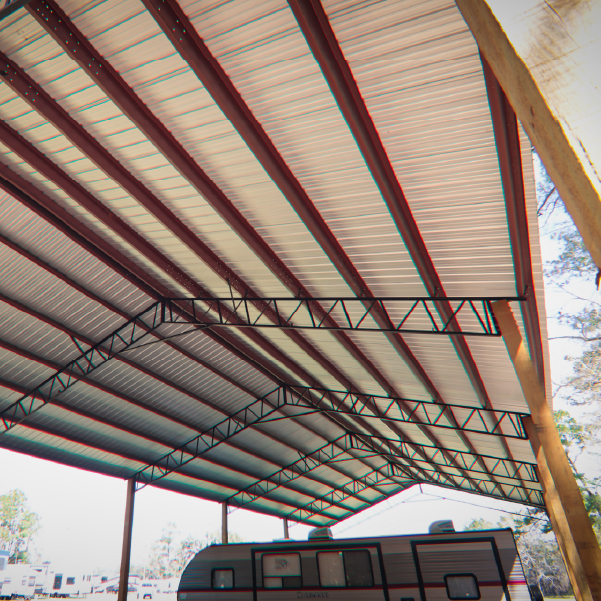
Clear-span trusses create the open bay you reconfigure. Post spacing sets the “grid.” In that grid, modules can later be converted into stalls, storage racks, or office rooms. Eave height sets the future headroom for mezzanines and tall doors. Fourteen feet covers most RVs and farm trucks, while 16 feet provides breathing room for a lift, a stacked mezzanine, or a hydraulic door. Door openings determine what can enter; if you get them wrong, you’ll hear a scraping sound every time a trailer edge kisses the trim.
Future-proof utilities close the loop of adaptability in pole barns. Stubbing a 3-inch plumbing line for a future bathroom, laying empty conduit from the service panel, and trenching a floor drain for a wash bay cost little now and will save you thousands if your plans change. But if you skip those, you’ll be trenching through finished concrete later while dust coats everything you own.
How To Plan A Flexible Pole Barn Layout
In practice, the first step in planning a flexible pole barn is dividing the footprint into clean, semi-clean, and dirty zones, sizing bays for future modules, and mapping doorways and rough-ins to match daily traffic. That plan stops bottlenecks, keeps mud off clean floors, and makes expand-or-reconfigure decisions simple. It also gives you room to adjust the number of vehicles, work areas, or storage uses the building supports over time. When laying out a multi-use pole barn, keep a running list of current uses and future needs so the layout can adapt without rework.
Clear Spans, Bays, And Add-On Modules
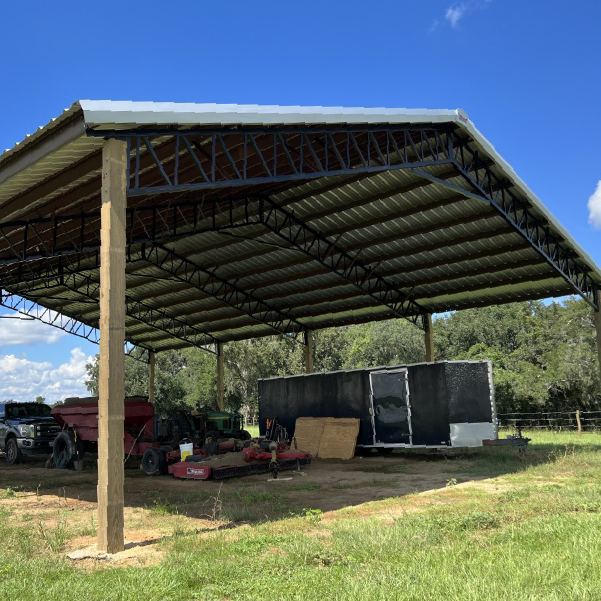
Clear spans of 40–60 feet typically cover most family and light-farm uses in post-frame construction. Set columns at 10 or 12 feet on center, and you get easy modules for stalls (10x12), storage cages (10x10), or office boxes (12x16). Aim for 24–30-foot-wide center aisles so trucks and trailers can pass or park without scraping mirrors. Design at least one gable end as an “expansion wall” with framing ready for a future lean-to or another enclosed bay. Pre-engineered ledger and post locations make that add-on a weekend job, not a new permit saga.
Lean-tos act like flexible porches. Start open for equipment and firewood; you can consider enclosing later for a larger shop or a mudroom. A pre-framed header and matching roof pitch make the enclosure clean and fast.
Doors, Traffic, And Daily Workflow
Think about your daily routine. Where do you pull in? Where do you park? Where do you hose off boots? A drive-through center aisle cuts the stress of backing out when you’re handling a trailer in the dark. Install overhead or sliding doors on opposite walls to create a breezeway and provide easy exits. Size doors to the biggest thing you own today and the biggest thing you plan to own in five years. Miss by two inches and you’ll back a trailer at an angle forever, chewing up your trim and your patience.
Safe bets for door sizing and flow:
- RV or tall tractor: 14x14 overhead or 30-foot hydraulic/bifold for wide wingspans
- Everyday truck and implements: 12x12 overhead, the two doors lined up for the drive-through
- People and shop access: 3-foot outswing with a canopy to block rain on the threshold
A concrete apron outside the big doors handles splash and snowmelt, reducing tracked-in mud and creating fewer ruts for a loaded dolly to bounce over.
Slab, Drains, And Utility Rough-Ins In The Construction Process
Concrete usually isn’t included in shell quotes and can significantly increase costs, but the slab makes or breaks future options. Thicken where a two-post lift might live. Pitch a wash bay 1/8 inch per foot toward a trench drain. Lay PEX tubing for in-slab radiant heat, even if you won’t connect a boiler yet; the tubing costs $1,000–$1,800 now and avoids a $5,000 tear-out later. Stub a 3-inch drain line and a vent for a future bathroom, plus a hose bib on the dirty side.
Electrical rough-ins matter too. Run a fat conduit from the meter to a 200-amp main panel (or 400-amp, if you’re dreaming big) and leave empty conduit runs to the corners. “Future you” will thank “present you” when adding a welder, a mini-split, or an EV charger doesn’t turn into fishing wires through finished walls. Keep outlets off the floor with a steel liner panel so cords don’t drag through puddles and sawdust like cord spaghetti.
Pro Tip: Ask your designer to mark a mechanical chase along one wall. That’s a 2-foot-wide zone that carries water, drainage, electrical, and low-voltage services. That single path keeps future changes clean and avoids random holes throughout the building.
Important: Mixed uses trigger codes. A shop next to animals or any living area needs a fire-rated separation wall, proper egress doors, and ventilation. Check frost depth for footings, septic capacity for bathrooms, and snow load and wind exposure ratings before you order materials. Check with your local government about code compliance and permitting if you’re unsure what applies to you.
Post-Frame Design Ideas That Add Adaptability
For rural farms, a multi-use pole barn building often becomes more than storage; it turns into garages, a workshop, a shelter, and a shared workspace that supports daily life on the property. Homeowners and agricultural operators alike value the benefits of a versatile framework that balances function, energy efficiency, and long-term investment value. Design elements such as siding, roofing, barn doors or garage doors, lighting, skylights, and even cupolas influence both aesthetic appeal and performance, while systems for heating, protection, and maintenance support year-round use. When planned with clear goals in mind, like vehicle storage, workshops or flexible spaces that evolve with changing needs—the possibilities expand. A thoughtful approach to the construction process, grounded in a solid foundation, efficient systems, and a clear blueprint, ensures the building serves not just today’s needs, but the life of the farm for decades.
Some post-frame design ideas that could enhance adaptability are things like mezzanines, removable partitions, pre-framed openings, utility chases, and staged insulation. Planning allows you to convert bays without touching the primary structure later. These details turn a good shell into a long-term problem-solver.
Mezzanines And Loft Storage
A mezzanine, an intermediate floor between levels, provides storage for totes, seasonal gear, or an office without using ground space. Order trusses and posts rated for the extra load up front (for example, 40 pounds per square foot live load). Then, plan a straight stair with headroom near an exterior wall so noise and dust stay out of the clean zone. A 12-foot eave can fit a low mezzanine; 14–16 feet opens room for a real office or a future apartment above a shop bay.
If you put windows high on the gable end, you’ll get daylight up top. You’ll feel the difference the first time rain drums on the roof, and the loft stays bright without flipping a switch.
Removable Partitions And Sliding Walls
Use panelized walls hung from ceiling tracks to divide the large room, as needed, and open it for events. In animal areas, you can choose stall fronts with modular panels that adjust in width as stock changes. For shops, you can install a heavy-duty curtain or a sliding wall to separate grinding from clean work. The result of this extra effort is that welding sparks stay out of the wood dust, and you can roll the wall back for a tractor to pull in.
Exterior Porches, Lean-Tos and Aesthetic Enhancements
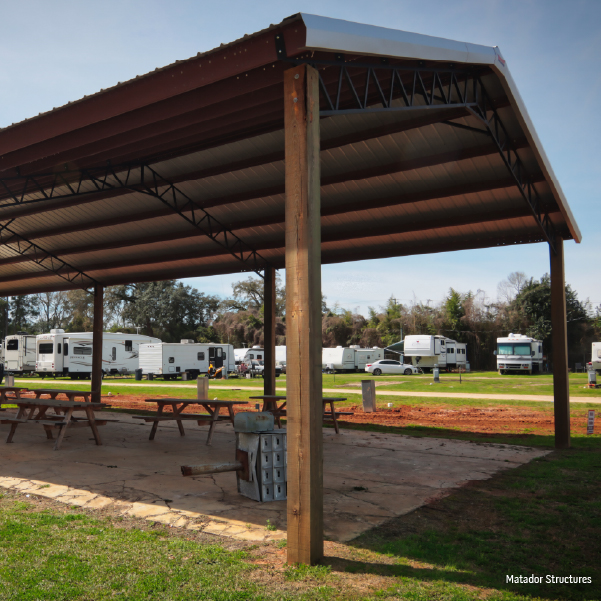
Porches and lean-tos provide flexible space for chores and people. They’re also handy for people who want to park implements under the cover, stack hay near the animal door, and offer the family a shaded hangout during ball games or barbecues. When you need more enclosed space, you can frame infill walls under the existing roof and tie into the main slab with a short stem wall.
Here’s an example from a client build: a 40x60 shell went up with a 12-foot lean-to on the south side. In the first year, the lean-to housed a boat and firewood. In the second year, they enclosed half of the space for a mudroom and feed room. That totaled only $6,800 in materials, since the header, posts, and roof were already in place. The lean-to paid for itself twice: less snow shoveling at the door and no soaked feed bags.
Frequently Asked Question about Multi-Use Pole Barns:
Q: Can I add a loft to my pole barn later, or do I need to plan it as multi-use now?
A: Add the structural capacity now. Order posts, trusses, and footings that can handle a mezzanine even if you won’t build it for years. Retrofitting load capacity costs far more than framing a simple loft when the shell is designed for it.
Pole Barn Vs Metal Building For Flexible Use
Pole barns (wood post-frame) offer several advantages for flexible family and farm use because they build quickly, require less concrete, and accommodate future doors and partitions easily. At the same time, rigid-frame metal buildings excel at wide, clear spans and heavy industrial loads. The right call tracks your span needs, budget, and how often you’ll change the interior.
Structure And Span Considerations
Post-frame structures use widely spaced columns and trusses to carry loads. Clear spans of 40–80 feet cover most barns, with sweet spots at 40x60 and 60x80. Rigid steel frames go larger with fewer columns, providing 80–150 feet of clear width when an indoor arena or large commercial shop demands it. If your layout needs a pristine 100-foot-wide open floor, steel wins. If your plan includes bays, rooms, and a mezzanine, post-frame is a natural fit.
Interior Finishes And Future Changes
Wood framing plays nicely with change. Cut in a new window, add a 12x12 overhead where you framed a header for “future opening,” or hang partitions anywhere along girts. Steel frames want engineering before you cut purlins; changes often require new members and a stamped detail. For a building that will evolve—stalls this year, studio next year—wood beams keep the options open and the costs down.
How Barn Colors And Finishes Support Function
Barn colors and finishes support functionality by managing heat, light, durability, and wayfinding, so the building's form remains comfortable, easy to clean, and simple to navigate. A finish that looks great in photos—like something you'd see on Instagram—still has to perform under real heat, dirt, and daily use. The right palette makes the interior bright for work, while the exterior blends with the homestead.
Color is not just aesthetic. Style choices like roof color affect heat gain, visibility, and long-term durability. Light-colored roofs with higher solar reflectance run cooler in summer. Dark colors look sharp, but they absorb heat; choose finishes with published SRI (solar reflectance index) ratings if cooling is a concern.
Where To Find Proven Plans And Real-World Examples
You can find proven multipurpose barn plans and examples by browsing the galleries of established post-frame builders, reviewing sample plan sets, and asking for engineered details that match your site’s wind loads. Those real projects reveal the layouts, door sizes, and finishes that withstand mixed-use.
What Major Builders Offer For Multi-Use
When you request a quote, ask for apples-to-apples specs: panel gauge (26 vs 29), roof underlayment for condensation control, eave height, door sizes and types (overhead vs sliding vs hydraulic), soffit and ridge venting, and whether the slab is included. Two quotes for a 40x60 can differ by $16,000 on paper because one includes the slab, thicker panels, and a condensation barrier, while the other leaves those as “owner provided.” Once the scope matches, the gap often shrinks to a few thousand dollars.
Frequently Asked Question about Multi-Use Pole Barns:
Q: Which sizes work for common multi-use setups—2 cars, 4 cars, or an RV plus shop?
A: A 30x40 handles two vehicles with a workbench and storage along one wall. A 40x60 fits four vehicles plus a real shop bay and a small office. For an RV, aim for 40x60 with a 14x14 door and a 30-foot clear aisle; add a lean-to for everyday implements.
Your pole barn should last for decades, not just the day it’s built. That’s why it’s critical to get the initial shell, structure, and utility rough-ins right from the start. Whether you’re planning for horses now and a home business later, or need space for an RV today and a workshop tomorrow, a well-designed pole barn is your launchpad for future growth. By thinking in zones, spans, and expansion-ready details, you’re building a barn AND creating a lasting asset.
At Matador Structures, our project managers aren’t just salespeople; they’re experienced partners who guide you through every phase of your build. From engineering consultation to layout planning and long-term expansion ideas, we help you design the last pole barn you’ll ever need to buy. Ready to get started? Talk to a project expert today.